
Description
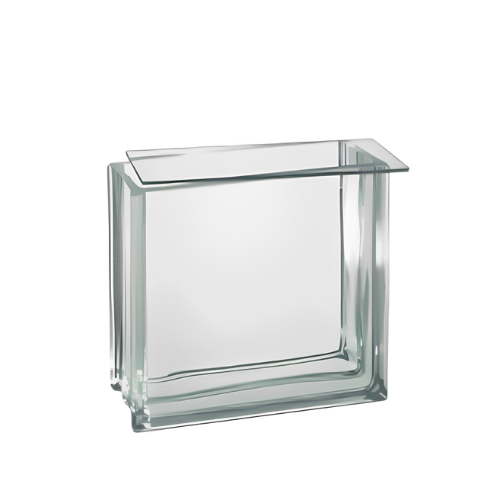
A TLC chamber, also referred to as a developing chamber, is a laboratory apparatus designed for the controlled development of TLC plates in a solvent atmosphere. The chamber is typically made of chemically resistant borosilicate glass and features a tight-fitting ground glass lid or cover to maintain solvent saturation and minimize evaporation during the chromatographic process.
Key Components and Features
| Component | Description |
|---|---|
| Body Material | Borosilicate glass – chemically inert and resistant to organic solvents |
| Cover | Flat or domed ground glass cover – ensures a tight seal to prevent vapor loss |
| Internal Dimensions | Sized to accommodate common TLC plate sizes (e.g., 20 × 20 cm, 10 × 10 cm) |
Applications
1. Thin Layer Chromatography (TLC)
- Purpose: To develop TLC plates under consistent, controlled conditions.
- Function: Establishes a saturated vapor phase to prevent solvent evaporation from the TLC plate and ensure even migration of analytes.
2. Solvent Saturation
-
Can be pre-saturated with filter paper lining the walls to ensure vapor-phase equilibrium and improve spot resolution.
3. Multipurpose Solvent Development
- Suitable for normal-phase and reversed-phase TLC.
- Used with a wide range of solvents: hexane, ethyl acetate, methanol, chloroform, dichloromethane, etc.
Disclaimer: Product images are for illustration purposes only. The actual brand received may vary based on availability, as Labogemdi sources high-quality laboratory products from multiple trusted suppliers. While we are not directly affiliated with specific brands, we ensure that all products comply with laboratory and research-grade standards, meeting the requirements of academic institutions, research laboratories, and industrial applications.