Description
Types of Alumina and Their Applications
Alumina (Al₂O₃) can be chemically modified to exhibit different surface properties: Acidic (ALA), Neutral (ALN), and Basic (ALB). These modifications affect its interaction with different compounds, making it useful in chromatography, catalysis, and adsorption processes.
1. Acidic Alumina (ALA)
- Description: Acidic alumina is prepared by treating alumina with mineral acids (e.g., hydrochloric or sulfuric acid), creating an acidic surface. It exhibits a high density of Lewis and Brønsted acidic sites.
- Functional Groups: Surface-bound hydroxyl (-OH) groups that can donate protons, along with Al³⁺ sites acting as Lewis acids.
- Applications:
- Adsorption of basic compounds (amines, alkaloids)
- Separation of polar compounds in column chromatography
- Catalysis for acid-catalyzed reactions, such as cracking and polymerization
- Removal of basic impurities from solvents
2. Neutral Alumina (ALN)
- Description: Neutral alumina is prepared by controlled heat treatment to remove acidic and basic sites, creating a nearly inert surface. It is the most widely used form of alumina.
- Functional Groups: Mainly -OH groups with minimal acidity or basicity, providing a neutral adsorption environment.
- Applications:
- General-purpose chromatography
- Adsorption of weakly polar compounds
- Solvent purification (removal of trace impurities)
- Protein and biomolecule separation
3. Basic Alumina (ALB)
- Description: Basic alumina is treated with alkali (e.g., sodium hydroxide) to introduce basic surface sites, making it effective for adsorbing acidic compounds.
- Functional Groups: Al-O⁻ (oxide anions) and surface hydroxyl groups capable of accepting protons, increasing basicity.
- Applications:
- Adsorption of acidic compounds (e.g., carboxylic acids, phenols)
- Separation of acidic and neutral compounds in chromatography
- Catalysis for base-catalyzed reactions, such as transesterification
- Removal of acidic contaminants from solutions
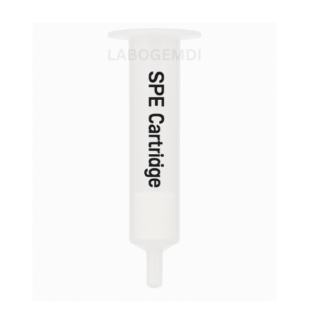
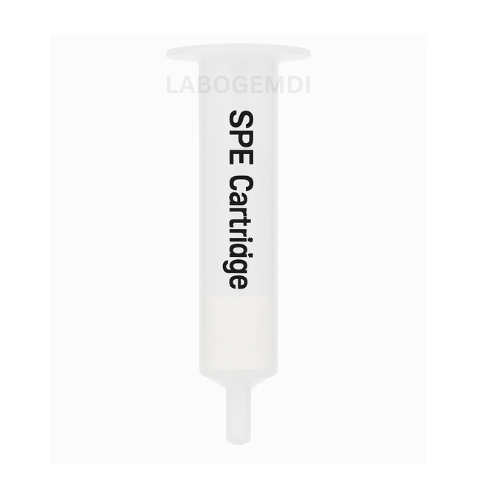
Disclaimer: Product images are for illustration purposes only. The actual brand received may vary based on availability, as Labogemdi sources high-quality laboratory products from multiple trusted suppliers. While we are not directly affiliated with specific brands, we ensure that all products comply with laboratory and research-grade standards, meeting the requirements of academic institutions, research laboratories, and industrial applications.